Salting and drying flow in sunflower seed roasting
A nut processing line that works well in real production depends on more than the strength of one machine. The topic of Salting and drying flow in sunflower seed roasting matters because product behavior, capacity target, energy infrastructure and operator routine all shape the same decision.
What to check in production
The first value to review is not only the catalog kg/hour figure. Moisture, particle size, target color, salting or coating needs and cooling time all affect real output. Machine selection should therefore include product trials, layout planning and shift rhythm.
A common mistake is reading machine capacity separately from the rest of the plant. If feeding is slow, cooling is limited or packaging cannot keep up, even a strong oven will not deliver the expected result. The healthy approach is to identify the limiting step early.
How it affects machine selection
At Polkan Makine, project discussion starts with the product. Which product will be roasted, what is the daily target, which energy source is available, how often will cleaning and changeovers happen? Without these answers, a reliable machine recommendation is not possible.
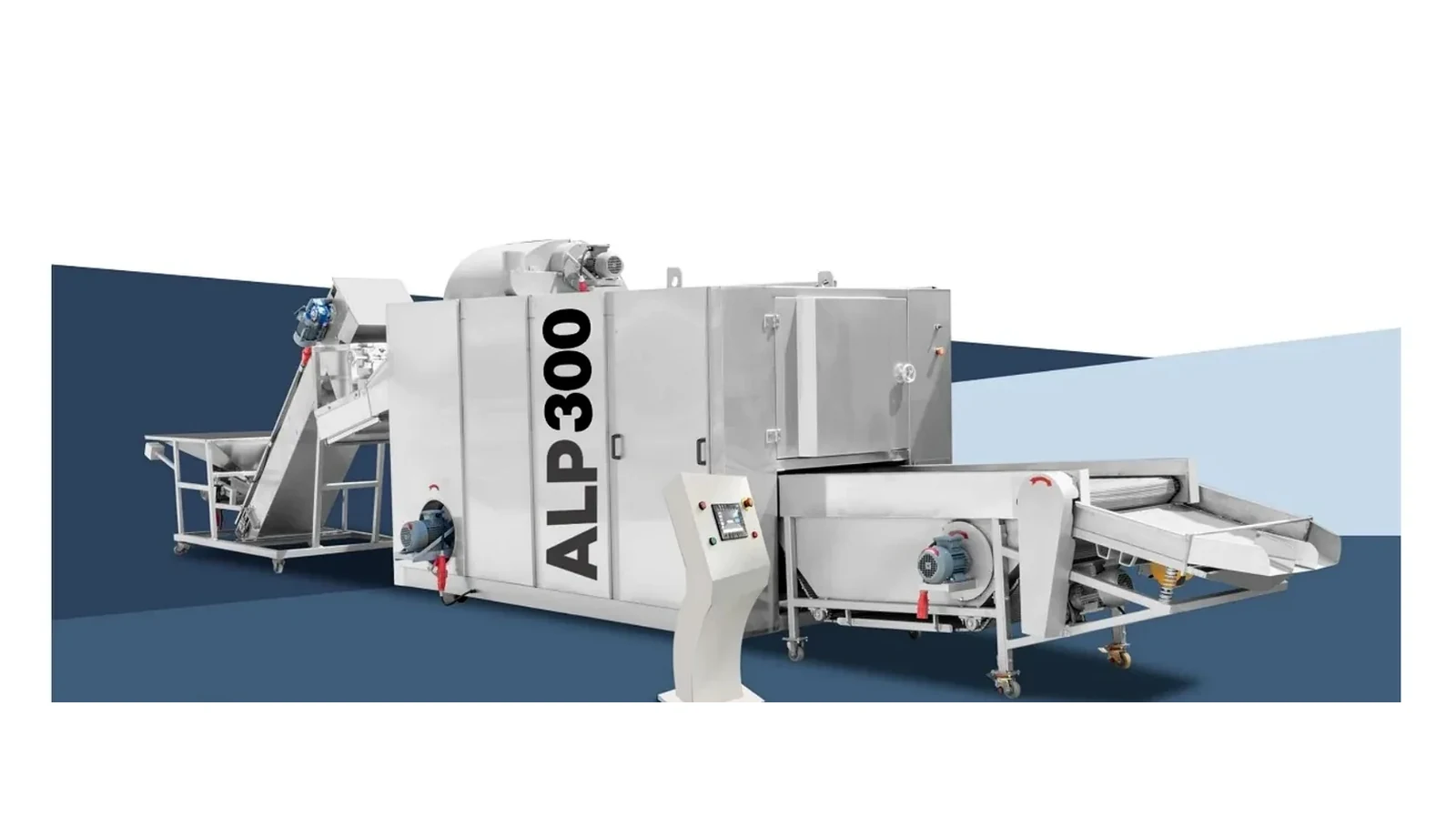
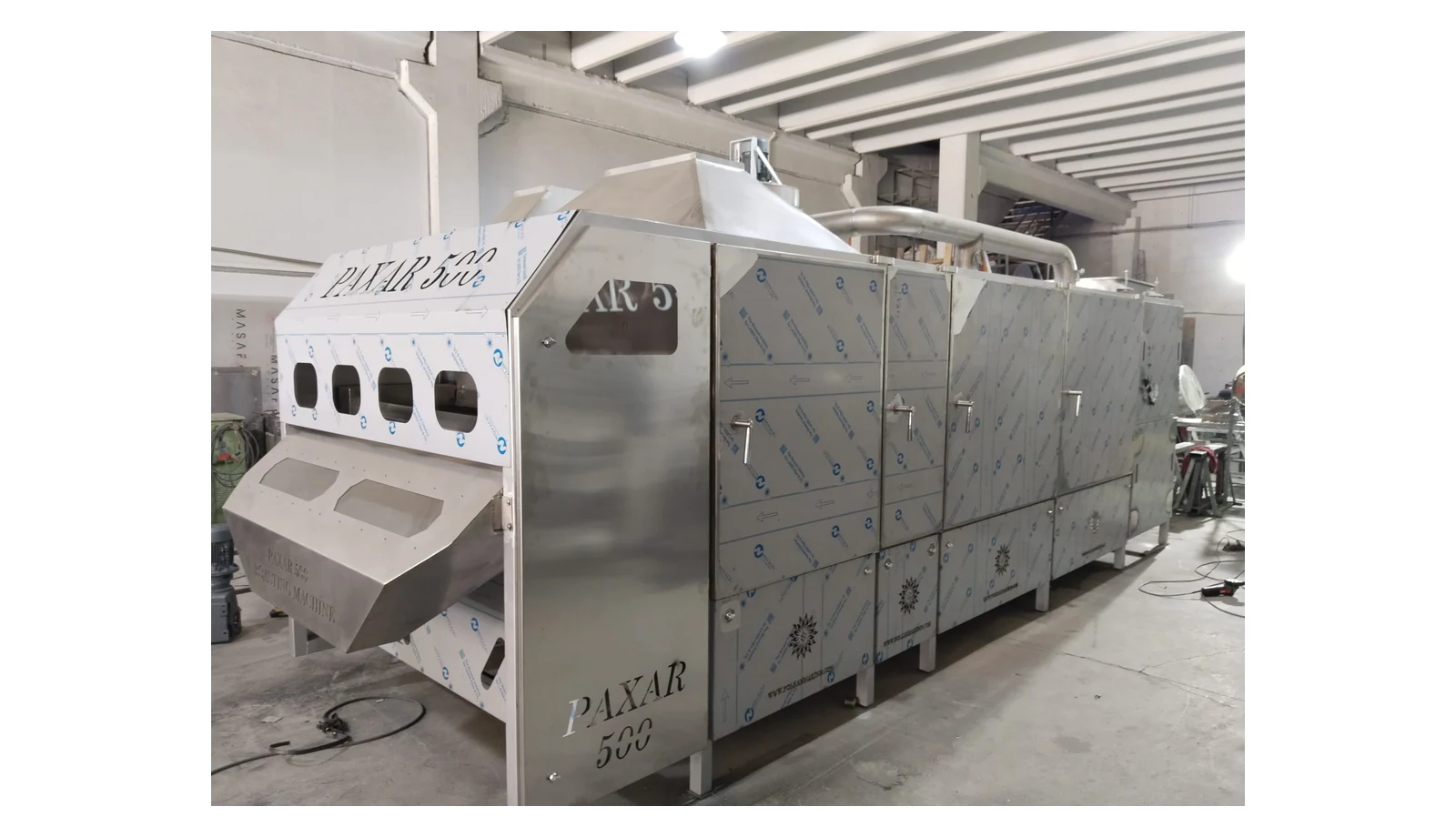
The machine family should be compared before the decision. Multi-belt ovens support high-volume continuous production, the PAXAR single-belt family can suit simpler flow and compact layouts, while rotary machines provide drum-style flexibility for selected recipes.
Use catalog values for the first shortlist; share sample product, available area and target capacity for the final decision. The proposal then becomes a practical production solution rather than a simple machine list.
FAQ
Is there one fixed capacity value?
No. Capacity should be evaluated according to product type, moisture, roasting profile and line flow.
Is catalog data enough for quotation?
It gives a first idea; final quotation needs product and layout information.